





Introduction
How-To Guides
Translated Guides
Literature Reviews
Webinars & Dissemination
Research
Chat Forum
Introduction
How-To Guides
Translated Guides
Video Guides
Literature Review
Webinars & Dissemination
Blogs
Chat Forum
The importance of learning to read in a language that is understood by the learner has been recognized in Sustainable Development Goal indicator 4.5.2, “the percentage of students in primary education who have their home (or first language) as a language of instruction”. Yet even with evidence and support codified in an SDG indicator, implementation is still complex.
This guide provides a roadmap for policy makers, program designers, and implementers to navigate the complexities of language of instruction options for foundational literacy and numeracy (FLN) programs and to make context-appropriate design choices
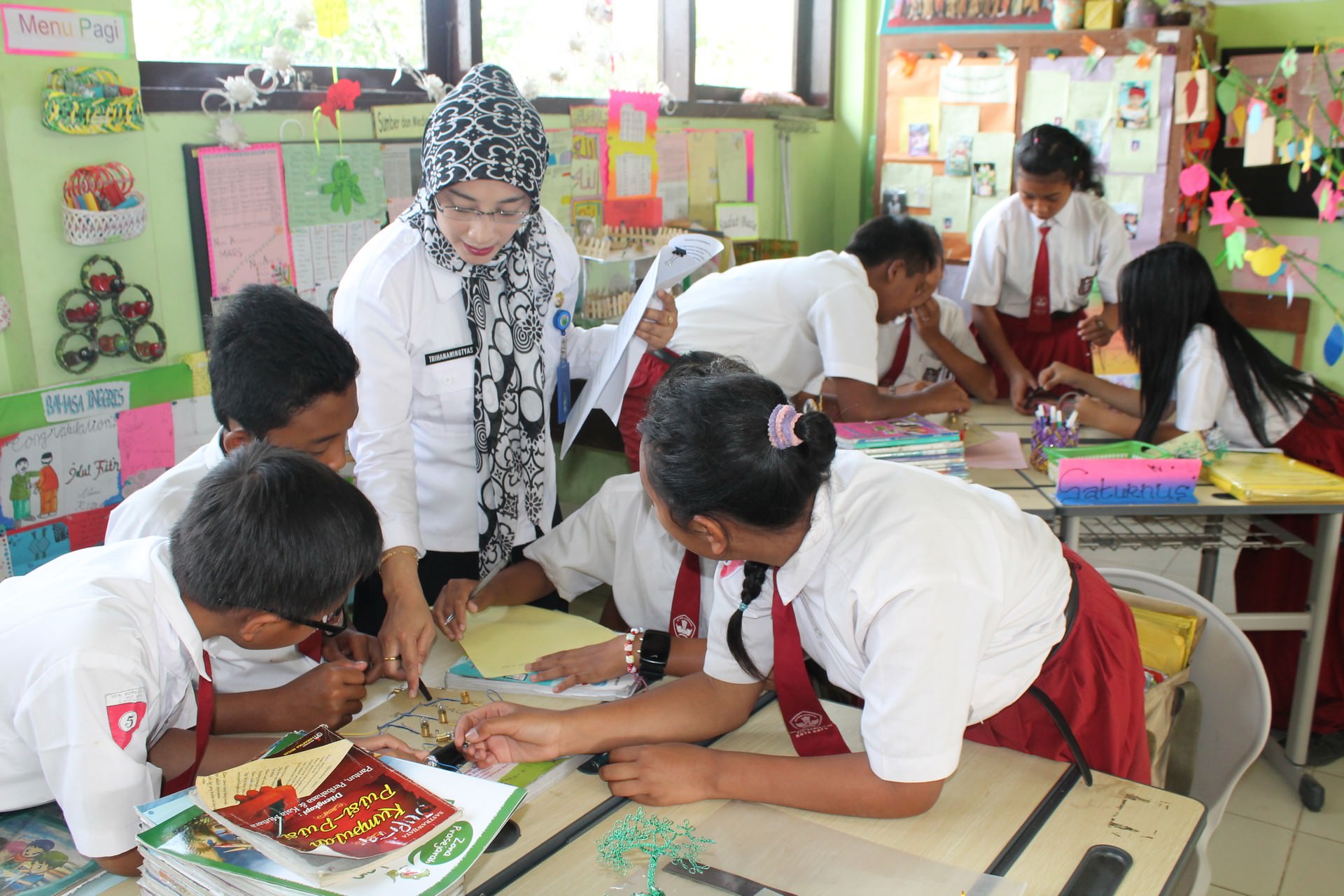

In the context of new multi-lingual education policies in Senegal, Science of Teaching supported a research study, Implications of and Strategies for Dealing with Language-of-Instruction Mismatch in Senegal, to explore three key questions:
1) What is the prevalence of language (mis)match (between the language of instruction, students, teachers, and their respective language proficiencies)?
2) What strategies do teachers use for dealing with language mismatch?
3) What are teachers’ and head teachers’ attitudes and beliefs about the new policies?